The Role Of PP Woven Fabric In Packaging
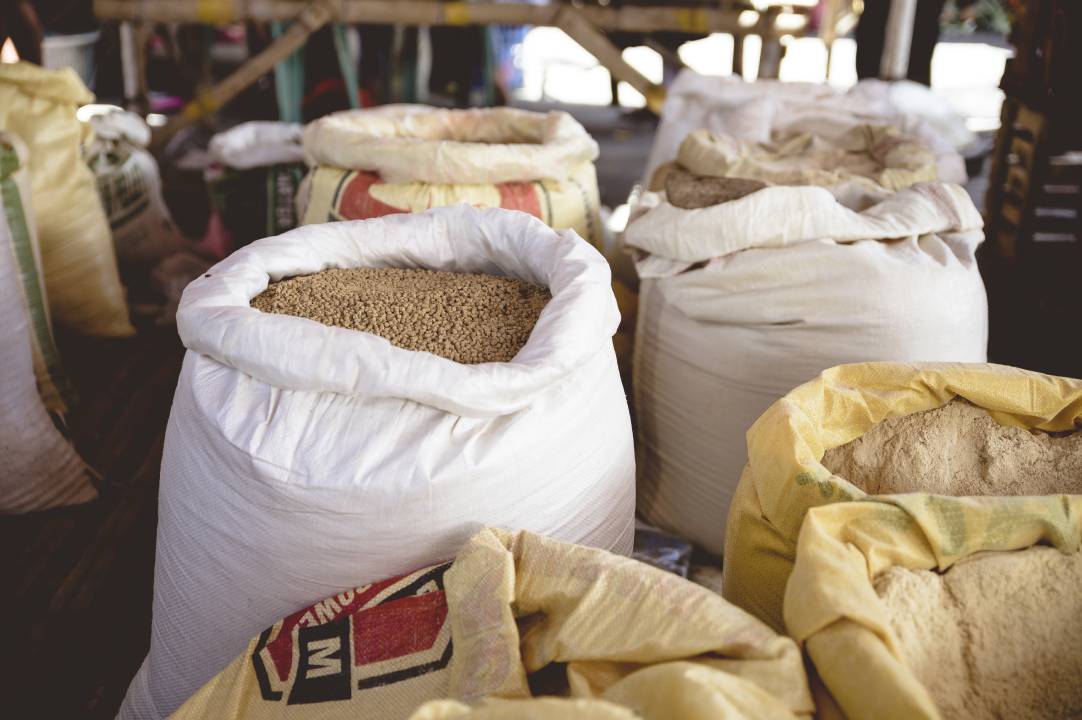
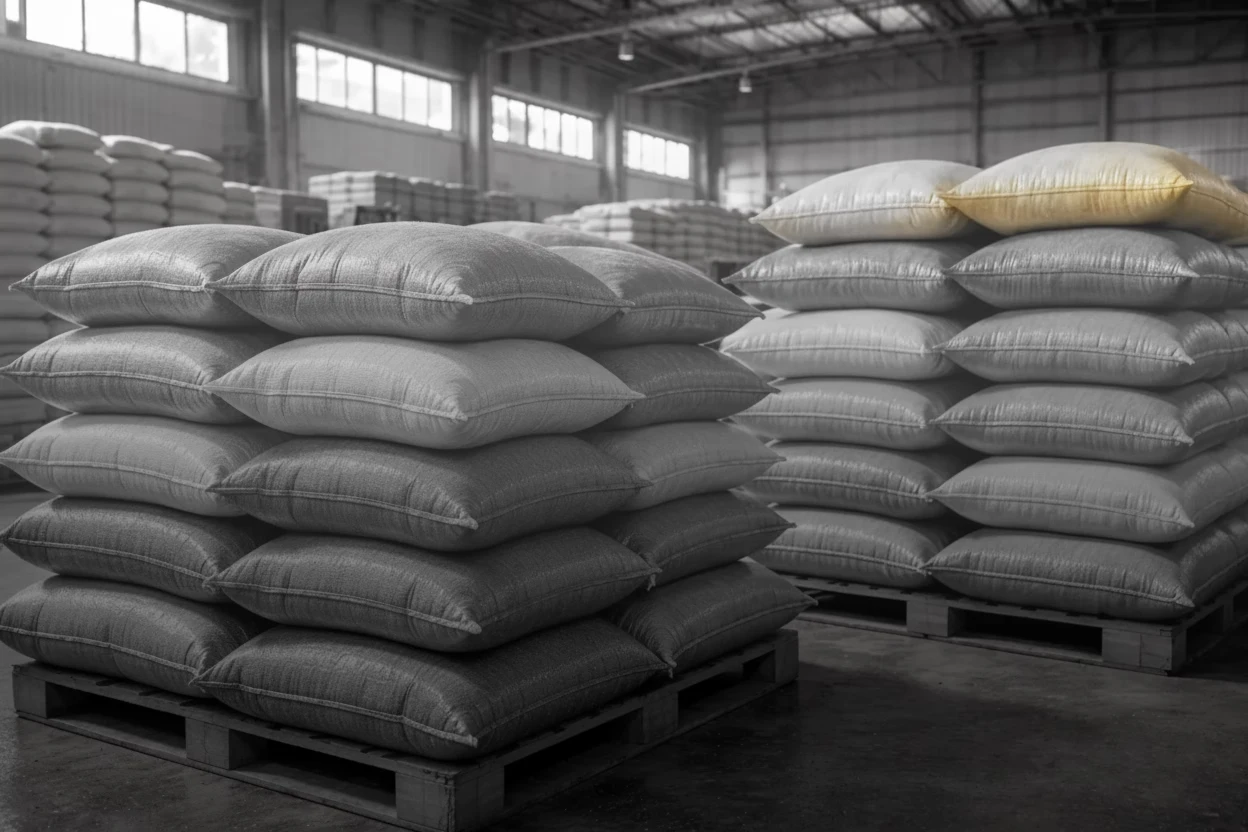
PP woven fabric is the foundation of many industrial packaging products. It is commonly used to manufacture woven sacks, bulk bags, and various protective coverings. The quality of the fabric directly impacts the strength and durability of the final packaging product.
Understanding the manufacturing process helps businesses appreciate why quality woven fabrics are essential for reliable packaging.
Raw Material Selection
The process begins with high quality polypropylene granules. These granules are melted and processed through extrusion machines to create thin plastic tapes. The strength and consistency of these tapes play a critical role in determining the quality of the woven fabric.
Manufacturers carefully monitor temperature, pressure, and processing conditions to ensure uniform tape formation.
Tape Stretching And Strength Development
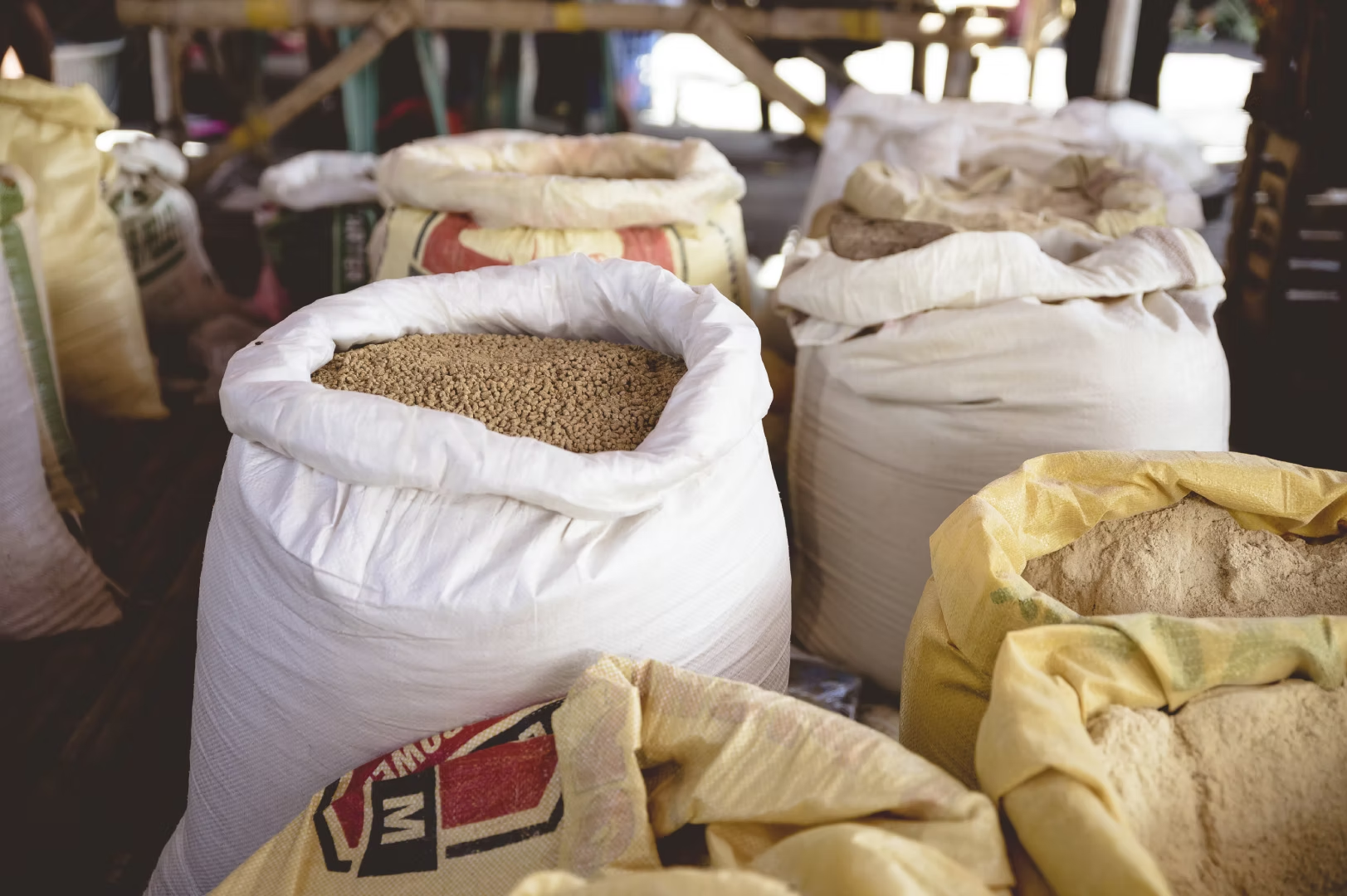
Businesses constantly look for packaging solutions that provide durability without increasing operational costs. PP woven bags are widely used because they offer long term value. Their lightweight nature reduces transportation costs, while their durability ensures minimal product loss.
These bags can also be reused in many cases, making them both economical and environmentally responsible.
Suitable For Multiple Industries
Once the polypropylene tapes are formed, they are stretched to increase their tensile strength. This stretching process aligns the molecular structure of the material, which improves durability and flexibility.
The stretched tapes are then wound onto spools, preparing them for the weaving process.
Circular Loom Weaving
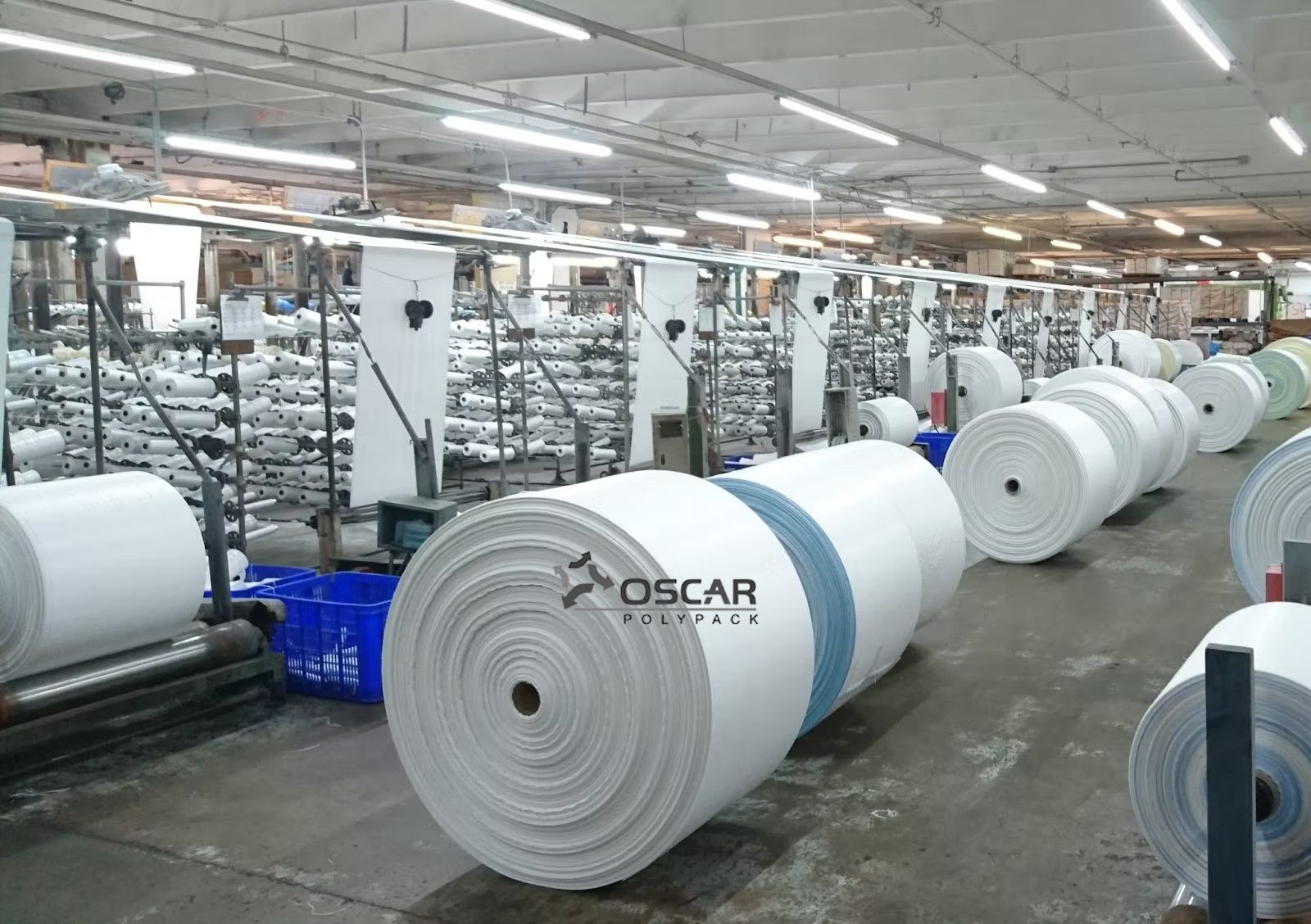
The weaving stage takes place on specialized circular loom machines. These machines interlace the polypropylene tapes in a structured pattern to create strong woven fabric. The weaving density and pattern determine the fabric’s load capacity and thickness.
Consistent weaving ensures that the fabric maintains uniform strength across the entire roll.
Finishing And Quality Inspection
After weaving, the fabric undergoes several finishing processes such as coating, lamination, or cutting depending on its final use. Quality control teams inspect each batch for strength, weaving accuracy, and overall consistency.
Proper testing ensures that the woven fabric meets industry requirements for durability and performance.
Meeting Industrial Packaging Needs
The manufacturing process of PP woven fabric combines advanced machinery with strict quality control. The result is a reliable material that supports a wide range of industrial packaging applications, helping businesses protect their products efficiently.